Post
iPhone 13 – Reliable Everyday Apple Device
May
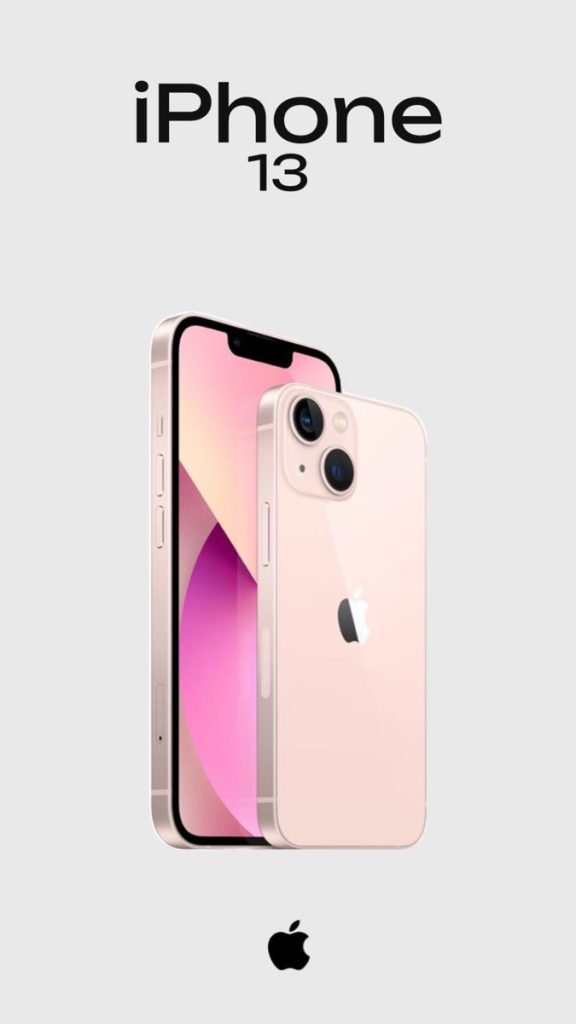
iPhone 13
Introduction: The Undisputed Legend of Longevity
In the fast-moving world of technology, smartphones often feel like they have the shelf life of fresh milk. Manufacturers race to release a “revolutionary” new model every twelve months, rendering last year’s flagship “old news.” However, every so often, a device comes along that defies this cycle. The iPhone 13 is exactly that device.
When it was first released, it was praised for fixing the few flaws of its predecessor. Today, in May 2026, it has earned a new title: the “Reliable Everyday Apple Device.” While the tech world buzzes about the iPhone 17 and experimental foldables, the iPhone 13 remains the “Goldilocks” of smartphones—it’s not too expensive, it’s not underpowered, and it’s just right for the vast majority of people on the planet.
Whether you are a student on a budget, a professional who needs a dependable work tool, or a parent looking for a robust first phone for a child, the iPhone 13 stands as a masterclass in balanced engineering. This deep dive explores why this specific model has become the backbone of the Apple ecosystem and why it remains a brilliant purchase today.
1. Design and Durability: Built for the “Oops” Moments
One of the reasons the iPhone 13 has remained so popular is its physical resilience. Apple didn’t just design a pretty object; they designed a piece of equipment meant to survive the rigors of daily life.
Ceramic Shield and Aerospace-Grade Aluminum
The iPhone 13 features the Ceramic Shield front cover, which was a massive leap in glass technology. By infusing nano-ceramic crystals into the glass, Apple created a screen that is significantly tougher than any previous smartphone glass. In real-world terms, this means that those heart-stopping drops onto the sidewalk are much more likely to result in a sigh of relief rather than a shattered screen.
The frame is constructed from aerospace-grade aluminum. It is lightweight, which makes the 6.1-inch device easy to hold for long periods, yet it is incredibly rigid. This is a phone that doesn’t “creak” or flex. It feels like a solid, singular slab of precision engineering.
IP68 Water and Dust Resistance
Life is messy. Whether it’s a spilled coffee during a morning meeting or an accidental drop into a puddle at the park, the iPhone 13 is prepared. With an IP68 rating, it can withstand submersion in water up to 6 meters deep for up to 30 minutes. While we don’t recommend taking it swimming as a hobby, this level of protection provides a “safety net” that few budget or mid-range competitors can match.
A Spectrum of Classic Colors
The iPhone 13 brought us some of the most iconic colors in Apple’s history. From the deep, sophisticated Midnight and the elegant Starlight to the vibrant Product(RED), the subtle Pink, the cool Blue, and the later-released Green, there is a style for every personality. The glossy glass back and color-matched aluminum edges remain aesthetically pleasing even years later.
2. The Super Retina XDR Display: Clarity in Every Pixel
The screen is your window into the digital world, and the iPhone 13’s display is a pane of pure brilliance.
OLED Technology for Everyone
The 6.1-inch Super Retina XDR display utilizes custom OLED technology. Unlike older LCD screens that require a backlight, each pixel in an OLED panel is self-illuminating. This allows for:
Infinite Contrast: When a pixel is black, it is literally off. This creates deep, true blacks that make movies and photos look incredibly immersive.
Vibrant Color Accuracy: Supporting the P3 wide color gamut, the iPhone 13 renders colors with startling accuracy, making it a reliable tool for basic photo editing and social media content creation.
Brightness That Beats the Sun
One of the major complaints with older smartphones was the inability to see the screen on a sunny day. The iPhone 13 addressed this with a 28% increase in typical max brightness over the iPhone 12, reaching 800 nits for standard use and a peak of 1,200 nits for HDR content. Even in 2026, this screen remains perfectly legible under the midday sun, ensuring you can always read your messages or navigate via GPS without squinting.
The Smaller Notch
While later models moved to the Dynamic Island, the iPhone 13 was the first to reduce the size of the notch. By moving the earpiece to the top edge, Apple made the Face ID housing 20% smaller, reclaiming valuable screen real estate and making the viewing experience more immersive.
3. The A15 Bionic: The Engine That Won’t Quit
If you want to know why the iPhone 13 is still fast in 2026, look no further than the A15 Bionic chip. Apple’s silicon is consistently years ahead of the competition, and the A15 is a legendary example of that lead.
A 6-Core Powerhouse
The A15 Bionic features a 6-core CPU with two high-performance cores and four high-efficiency cores. This “Big-Little” architecture allows the phone to handle heavy tasks—like 4K video editing or high-end gaming—while switching to low-power cores for simple tasks like texting or music, preserving battery life.
Gaming and Graphics
With a 4-core GPU, the iPhone 13 remains a highly capable gaming machine. Whether you are playing Genshin Impact, League of Legends: Wild Rift, or casual titles, the frame rates remain stable and the graphics look crisp. In 2026, most apps and games are still optimized for this specific chip architecture, ensuring a smooth experience.
The Neural Engine and Machine Learning
The 16-core Neural Engine inside the A15 can perform nearly 15.8 trillion operations per second. This power isn’t just for show; it drives the features we use every day:
Live Text: Instantly recognizing and copying text from a photo or a live camera view.
On-Device Siri: Processing voice commands locally for faster, more private interactions.
Computational Photography: Managing thousands of adjustments per second to ensure every photo you take is perfectly balanced.
Perspective: In 2026, the A15 Bionic still benchmarks higher than many brand-new mid-range Android processors. This is the definition of “future-proofing.”
4. The Camera System: Professionalism Simplified
The iPhone 13 introduced a radical new diagonal camera layout. This wasn’t just a design choice; it was a necessity to fit the largest Wide camera sensor Apple had ever put in a dual-camera system at the time.
Sensor-Shift Optical Image Stabilization
Previously reserved for the “Pro Max” models, Sensor-shift OIS was brought to the standard iPhone 13. Instead of moving the lens to compensate for shaky hands, the phone moves the actual sensor. This results in:
Incredibly stable video, even when you are walking.
Sharper low-light photos, as the sensor can stay “open” longer without blurring.
Cinematic Mode: Hollywood in Your Pocket
The iPhone 13 changed mobile videography with the introduction of Cinematic Mode. Using the A15’s Neural Engine, the phone records video with a shallow depth of field and automatic focus changes. It can detect when a new subject enters the frame or when the main subject looks away, shifting the focus smoothly—just like a professional cinematographer. Best of all, you can change the focus and the level of “bokeh” (background blur) after the video has been recorded.
Photographic Styles
Unlike standard filters that can make skin tones look orange or skies look artificial, Photographic Styles apply selective adjustments to the image pipeline. You can set your preference to “Vibrant,” “Rich Contrast,” “Warm,” or “Cool,” and the phone will apply those settings to the background and objects while keeping skin tones natural.
5. Battery Life: The Great Leap Forward
If you ask an iPhone 12 user what their biggest complaint is, they will likely say the battery life. The iPhone 13 solved this problem definitively.
Efficiency Meets Capacity
Through a combination of a physically larger battery and the extreme efficiency of the A15 Bionic chip, the iPhone 13 delivered a 2.5-hour increase in daily battery life over the iPhone 12.
In real-world 2026 usage, this means:
A Full Day of Work: Easily getting through emails, Slack messages, and phone calls without needing a midday charge.
Travel Confidence: Using GPS and taking photos throughout a day of sightseeing and still having enough juice to call an Uber at the end of the night.
Video Playback: Up to 19 hours of local video playback, making it a perfect companion for long flights.
6. Connectivity and the Apple Ecosystem
The iPhone 13 was built for the modern, connected world. It isn’t just a standalone device; it’s a portal into a wider world of convenience.
5G for the Future
The iPhone 13 supports more 5G bands than almost any other phone of its era. This means faster downloads, higher-quality streaming, and better connectivity in crowded areas. As 5G networks have matured into 2026, the iPhone 13 is perfectly positioned to take full advantage of these speeds.
The Power of MagSafe
The MagSafe system on the back of the iPhone 13 allows for a whole ecosystem of magnetic accessories. From snap-on wireless chargers that always align perfectly to magnetic wallets and car mounts, MagSafe makes using your phone more convenient.
Ecosystem Synergy
The true “reliability” of the iPhone 13 comes from how it plays with others.
AirPods: Instant pairing and automatic switching between your Mac and iPhone.
Apple Watch: Unlocking your Mac, tracking your fitness, and receiving notifications seamlessly.
AirDrop: Moving huge files between devices in seconds.
7. The 2026 Value Proposition: Why Buy It Now?
As we look at the market in May 2026, the iPhone 13 occupies a very special place. It is no longer the “top-of-the-line” model, which has led to significant price drops, making it the ultimate value king.
Pricing and Availability
In 2026, the iPhone 13 has moved into the “budget-premium” category. On the refurbished and pre-owned market, it is an absolute steal. For the price of a mid-range, plastic-bodied phone from a competitor, you are getting:
Flagship Build Quality: Metal and glass that still feels premium.
Long-Term Support: Apple typically supports devices for 6-7 years. The iPhone 13 is expected to receive major iOS updates and security patches until 2028 or 2029.
Resale Value: iPhones hold their value better than almost any other electronic device.
The “Sane” Upgrade
If you are currently using an iPhone 8, X, or 11, the jump to the iPhone 13 is transformative. You get 5G, the OLED display, the massive battery improvement, and a camera that feels light-years ahead. You don’t need to spend $1,000 on the latest flagship to get a modern, fast, and reliable experience.
8. Summary: Pros and Cons
| Pros | Cons |
| Legendary Reliability: Rarely crashes and handles daily tasks with zero lag. | Lightning Port: In a world moving to USB-C, you still need a Lightning cable. |
| All-Day Battery: A significant improvement that still holds up in 2026. | 60Hz Display: Lacks the ultra-smooth 120Hz ProMotion of the Pro models. |
| Compact & Light: Easy to use with one hand compared to “Pro Max” models. | No Telephoto Lens: Zooming in on distant objects is purely digital. |
| Great Camera: Sensor-shift stabilization and Cinematic Mode are still top-tier. |
Final Verdict
The iPhone 13 is the “Steady Eddie” of the smartphone world. It doesn’t have the flashy Always-On display of the 14 Pro, the USB-C port of the 15, or the titanium frame of the latest flagships. But what it does have is consistency.
It is a phone that refuses to slow down, a phone that takes great photos every time you press the shutter, and a phone that stays alive until you go to bed. In 2026, it stands as a testament to what happens when a company focuses on perfecting the fundamentals.
If you want a device that “just works,” that feels premium without the premium price tag, and that will stay by your side for years to come, the iPhone 13 is, without a doubt, the most reliable everyday Apple device you can buy.
