Post
iPhone 14 Pro – Professional Camera System iPhone
May
iPhone 14 Pro: The Professional Camera System iPhone
When evaluating the landscape of premium smartphones, certain devices mark a clear dividing line between iterative updates and true generational leaps. The iPhone 14 Pro sits firmly in the latter category. Introduced as the “Professional Camera System iPhone,” it fundamentally altered Apple’s trajectory for mobile photography by introducing a massive 48-megapixel main sensor. It also killed the static notch, bringing the interactive Dynamic Island to life.
As we navigate through 2026, the smartphone market is flooded with newer, AI-centric devices and lightweight titanium frames. Yet, the iPhone 14 Pro remains a highly coveted, uncompromising powerhouse. For users currently holding onto a highly capable device like the iPhone 13 Pro Max, the decision to downsize to the 6.1-inch 14 Pro often hinges on one crucial element: the sheer capability of its optics. This comprehensive deep dive explores the architecture, the user experience, and the enduring legacy of the phone that dragged the iPhone camera system into a new era.
The Aesthetics of Durability: Surgical-Grade Stainless Steel
Before the industry-wide pivot toward aerospace-grade titanium, Apple’s flagship devices were defined by their undeniable heft and luxurious feel. The iPhone 14 Pro represents the absolute pinnacle of this specific design philosophy, offering a level of premium craftsmanship that newer, lighter phones sometimes lack.
The Weight of Quality
The frame of the iPhone 14 Pro is forged from highly polished, surgical-grade stainless steel. This material gives the device a distinct, jewelry-like gleam. When you hold this phone, you immediately feel the density and the premium manufacturing. Weighing in at 206 grams, it carries a substantial heft for a 6.1-inch device. Many tech enthusiasts and professionals actually prefer this solid, weighty feel, associating it directly with durability and high-end engineering.
Frosted Glass and Ceramic Shield
Contrasting sharply with the glossy stainless steel bands is the beautifully textured, matte glass back. This frosted finish is not just visually striking; it acts as a highly effective natural deterrent against fingerprint smudges, ensuring the device looks pristine even after a long day of use without a protective case.
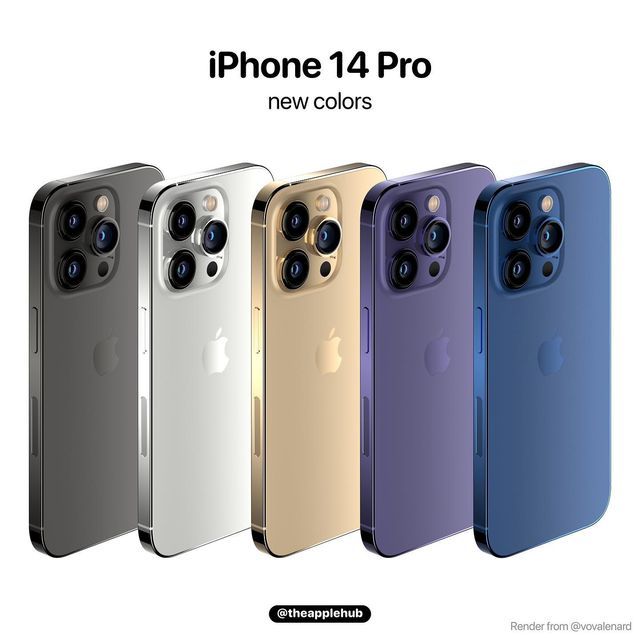
The front of the display is guarded by Apple’s proprietary Ceramic Shield, a material infused with nano-ceramic crystals to offer industry-leading drop performance. Available in a stunning array of colors—including the signature Deep Purple, an elegant Gold, classic Silver, and a deep, ink-like Space Black—the iPhone 14 Pro remains one of the most visually sophisticated smartphones on the market. It also maintains a robust IP68 rating, ensuring it can survive accidental spills and submersion in up to 6 meters of water for 30 minutes without issue.
The Display Revolution: Enter the Dynamic Island
The 6.1-inch display on the iPhone 14 Pro is not merely a screen for consuming media; it is an interactive, fluid canvas that fundamentally changed the iOS user interface.
The Death of the Notch
For half a decade, iPhone users were accustomed to the “notch”—the static black cutout at the top of the screen that housed the Face ID TrueDepth camera system. The iPhone 14 Pro famously killed the notch and introduced the Dynamic Island.
This pill-shaped cutout is a masterstroke of UI design, turning a hardware necessity into a highly functional software feature. The Dynamic Island acts as a constantly updating, shape-shifting hub for background activities. If you are playing a podcast, running a timer, connecting your AirPods, or waiting for a food delivery, the black pill seamlessly expands, contracts, and morphs to display relevant, real-time information. A quick tap jumps you directly into the active app, while a long press reveals expanded controls without ever forcing you to leave your current screen. It makes multitasking feel incredibly organic.
Super Retina XDR with ProMotion
Beyond the Dynamic Island, the underlying OLED panel is spectacular. The Super Retina XDR display boasts a resolution of 2556 x 1179 pixels. Colors are breathtakingly vibrant, blacks are perfectly infinite, and high-resolution HDR content looks undeniably cinematic.
Crucially, it features ProMotion technology, allowing the screen’s refresh rate to dynamically scale from a battery-saving 1Hz all the way up to a buttery-smooth 120Hz. Every swipe, scroll, and system animation feels instantaneous and frictionless.
The Always-On Display and Outdoor Visibility
The iPhone 14 Pro was part of the first generation of iPhones to introduce the Always-On display. By dropping the screen’s refresh rate to a mere 1Hz, the phone intelligently dims your lock screen wallpaper while keeping the time, date, your customized widgets, and Live Activities constantly visible. You no longer need to tap the glass to see if you missed a notification.
Furthermore, Apple engineered the display to push out up to 2,000 nits of peak brightness when outdoors. This ensures that you can read your screen, navigate via maps, or frame a photograph effortlessly even under the glaring, direct midday sun.
The Core: The 48MP Professional Camera System
The primary reason this device earns the “Pro” moniker lies directly in its optical hardware. For nearly seven years prior to this release, Apple utilized reliable but aging 12-megapixel main sensors. The iPhone 14 Pro shattered that tradition, introducing a massive 48-megapixel quad-pixel sensor that completely revolutionized mobile photography.
The 48MP Main Sensor and ProRAW Flexibility
By default, the massive 48MP sensor utilizes a process called pixel binning. It combines four adjacent pixels into one large “quad-pixel” to gather maximum light, outputting incredibly detailed, bright, and noise-free 12MP default photos.
However, for photography enthusiasts and professionals, the true magic is unlocked when shooting in 48MP ProRAW. Capturing an image in this uncompressed format gives you unprecedented flexibility in post-production. The sheer volume of data and detail retained in the image files allows you to heavily crop into a wide landscape shot without losing resolution, or aggressively tweak highlights, shadows, and white balance in editing software like Adobe Lightroom without introducing digital noise or banding.
The Optical-Quality 2x Crop
Because the physical main sensor is so massive, Apple ingeniously utilized the center 12 megapixels to create a 2x optical-quality telephoto zoom. This effectively gives you four distinct optical focal lengths (0.5x Ultra Wide, 1x Main, a 2x Telephoto crop at 48mm, and the dedicated 3x Telephoto lens at 77mm) from a three-lens physical setup. The 48mm equivalent is particularly highly regarded by portrait photographers for providing a natural, flattering perspective that mimics human vision.
The Photonic Engine and Low-Light Mastery
The introduction of the Photonic Engine drastically improved mid- to low-light photography. By applying Deep Fusion computational processing much earlier in the image pipeline on uncompressed data, the iPhone 14 Pro preserves significantly more subtle textures, details, and accurate colors in challenging lighting conditions across all of its lenses. The TrueDepth front-facing camera also received a major upgrade, featuring a brighter f/1.9 aperture and autofocus for the first time, ensuring incredibly sharp selfies and FaceTime calls even in dim rooms.
Cinematic and Action Video Capabilities
Apple remains the undisputed industry leader in smartphone video, and the iPhone 14 Pro is a testament to that legacy. It features Action Mode, which heavily crops into the ultra-wide lens to provide astonishing, gimbal-like stabilization—perfect for filming while running or riding a bike.
Cinematic Mode allows you to shoot in stunning 4K at 24 frames per second (the established industry standard for motion pictures). It automatically shifts focus between subjects in the frame to create a highly professional, Hollywood-style depth-of-field effect. Furthermore, the device supports full ProRes video recording directly to the internal storage, cementing its status as a highly capable B-camera tool for professional filmmakers and content creators.
Performance: A16 Bionic, Gaming, and Complex Workloads
At the heart of the iPhone 14 Pro beats a processor that was years ahead of its competition upon release: the A16 Bionic chip.
4-Nanometer Architecture
Built on a highly efficient 4-nanometer manufacturing process, the A16 Bionic features a 6-core CPU (two high-performance cores and four high-efficiency cores) and a 5-core GPU with 50% more memory bandwidth than its predecessor. This translates to an incredibly fast, fluid, and responsive user experience.
Sustained Gaming Performance
If you’re dropping into Bermuda for a ranked, high-stakes match in Free Fire or drifting perfectly through tight corners in ZingSpeed Mobile, the combination of the A16 chip and the 120Hz ProMotion display is phenomenal. The GPU effortlessly renders complex 3D environments at maximum frame rates. The device maintains excellent thermal management during sustained gaming sessions, ensuring that your FPS remains stable without aggressive throttling or sudden lag spikes during critical moments in gameplay.
Handling IT and Productivity Workloads
Beyond gaming, the raw power of the A16 Bionic combined with 6GB of LPDDR5 RAM makes the iPhone 14 Pro an exceptional tool for heavy multitasking. For IT professionals configuring VPNs on Windows Server environments remotely, testing network protocols, or managing cloud infrastructures via SSH clients, the device never stutters when rapidly switching between secure applications, browsers, and terminal windows.
The 16-core Neural Engine, capable of nearly 17 trillion operations per second, handles immense on-device machine learning tasks instantly. It powers the complex computational photography pipeline, ensures Face ID is remarkably fast, and handles heavy background data processing with absolute ease.
Battery Life and Connectivity
A professional-grade device requires reliable endurance, and the iPhone 14 Pro delivers solid all-day battery life.
Efficient Power Management
Housing a 3,200 mAh battery, the device relies on the extreme efficiency of the A16 Bionic chip and the adaptive refresh rate of the ProMotion display to conserve power. Even with the Always-On display active, moderate to heavy users can expect to comfortably reach the end of the day without reaching for a charger. It handles constant GPS navigation, 5G streaming, and heavy camera usage admirably.
The Lightning Era and Safety Features
It is important to note that the iPhone 14 Pro utilizes the classic Lightning port rather than the newer USB-C standard. While this means slower wired data transfer speeds compared to the 15 Pro, it remains fully compatible with a massive, established ecosystem of accessories and MagSafe wireless chargers.
The device also incorporates Apple’s vital safety hardware. Crash Detection utilizes advanced gyroscopes and high-g accelerometers to detect the severe impact of a car accident, automatically dialing emergency services if you are unresponsive. Emergency SOS via satellite allows you to connect to orbiting satellites to send text messages to emergency dispatchers even if you are entirely off the grid with zero cellular or Wi-Fi coverage.
The 2026 Value Proposition
As we evaluate the tech landscape in 2026, the iPhone 14 Pro occupies a highly lucrative position, particularly in vibrant tech markets like Vietnam.
As newer generations hit the shelves, the price of the 14 Pro has significantly dropped on the refurbished and secondary markets. A pristine, pre-owned 128GB model can often be found hovering around the 11.500.000 ₫ to 12.800.000 ₫ range, making it an absolutely phenomenal purchase today.
Why is it such a smart buy? Because the core foundational features that define a modern Apple flagship are already present. You get the exact same modern UI experience with the Dynamic Island, the buttery-smooth 120Hz ProMotion display, and the massive leap to a 48MP camera system. Because Apple typically supports its phones for up to six years, an iPhone 14 Pro purchased today will comfortably continue receiving major iOS updates, vital security patches, and full app support until the end of the decade.
Pros and Cons
| Pros | Cons |
| 48MP Camera System: ProRAW shooting capabilities offer incredible, uncompressed detail for serious photographers. | Lightning Port: Does not feature the universal USB-C charging port found on newer models, limiting data transfer speeds. |
| Dynamic Island: A brilliant, interactive UI feature that completely transforms how you multitask and view alerts. | Weight: At 206g, the stainless steel frame makes it noticeably heavier than aluminum or titanium counterparts. |
| ProMotion Display: 120Hz adaptive refresh rate makes the user interface feel incredibly smooth and instantly responsive. | Charging Speed: Fast charging is capped around 20W-27W, which is relatively slow compared to modern Android competitors. |
| Premium Build Quality: The polished, surgical-grade stainless steel frame exudes high-end luxury and extreme durability. |
Final Verdict
The iPhone 14 Pro is far more than just a powerful smartphone; it is a definitive historical milestone in Apple’s design and engineering lineage. It is the device that finally killed the static notch, bringing us the highly functional, widely praised Dynamic Island. Most importantly, it is the phone that dragged the iPhone camera system out of the 12-megapixel era, placing a truly professional-grade, 48-megapixel optical suite into the pockets of everyday users.
Even years after its initial launch, its surgical-grade stainless steel body, its incredibly bright Always-On display, and the raw, enduring power of the A16 Bionic chip make it perform and feel like a thoroughly modern flagship. If you desire an uncompromised, high-end smartphone experience with elite photographic capabilities, and you prefer the substantial, luxurious feel of stainless steel over modern lightweight metals, the iPhone 14 Pro remains a spectacularly capable, highly recommended powerhouse that will not disappoint.
